AGM 2025
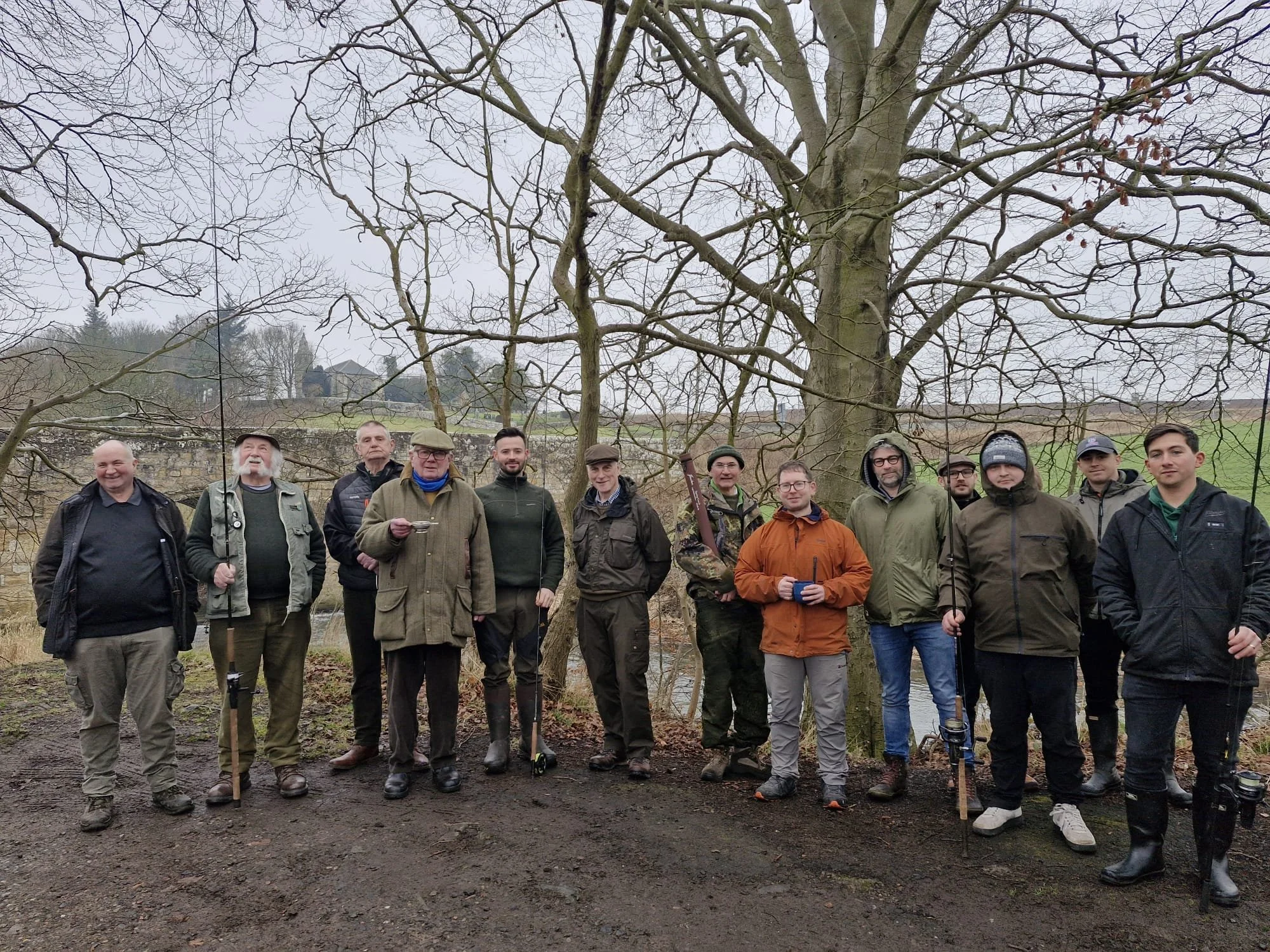
This year’s AGM was attended by 19 members including a full turn out of the committee. This was more than last year but still low considering that there are over 200 season ticket holders and 500+ followers on Facebook. It would be great to have more of you attend in future.
Last year’s proposals
There were 3 proposals last year and progress with each was reviewed at the meeting.
Hatchery
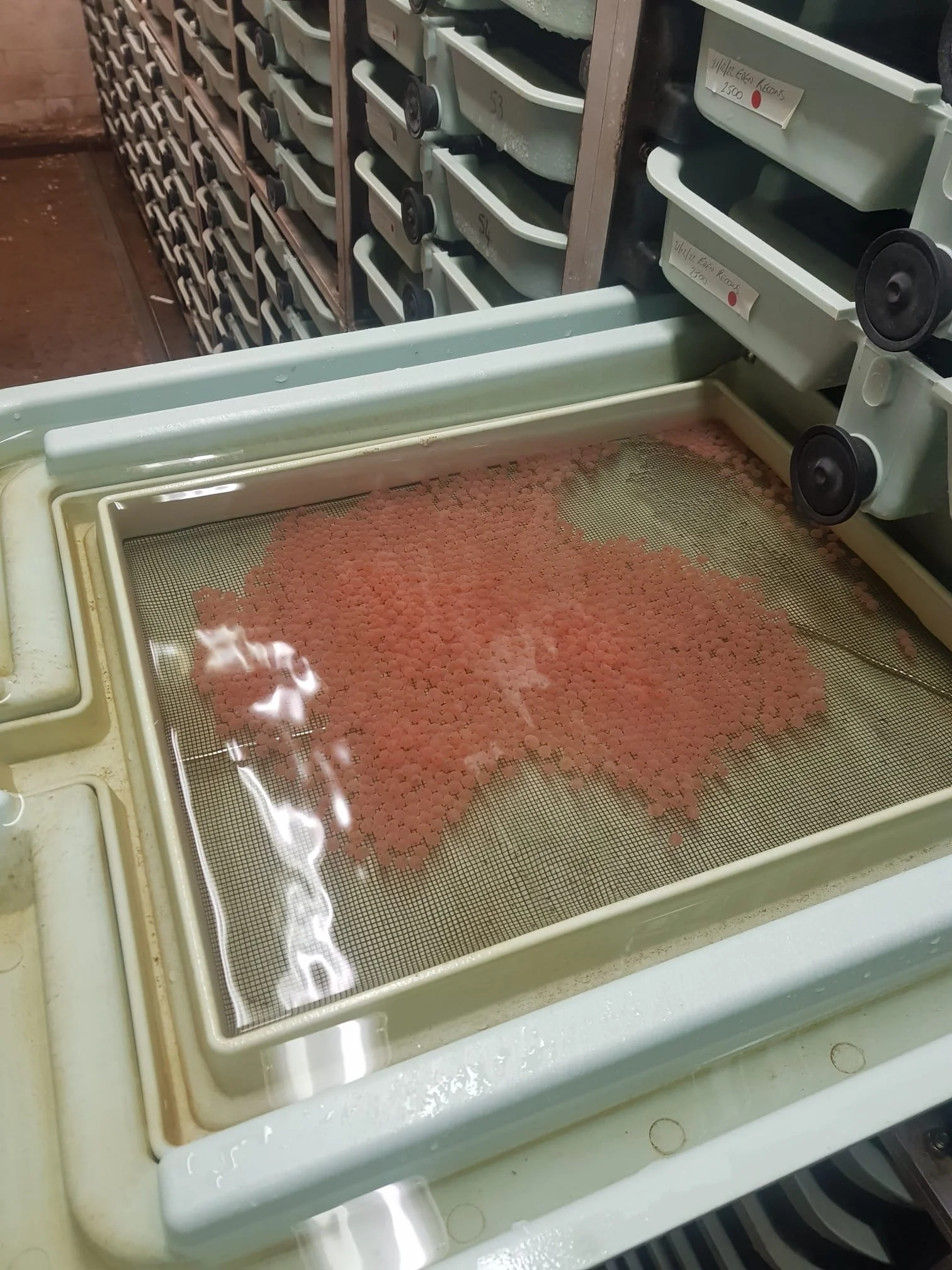
There was lengthy discussion of the practicalities of an Eden hatchery for trout as a possible solution to declines in trout, particularly sea trout, numbers. This focused on the analysis of previous secretary David Farmer. Committee will continue to explore the issue. However, we do not have the capacity, the ongoing funding or even clear agreement on the matter. It was agreed that we would continue to concentrate on trying to improve habitat on the river including in spawning burns where possible.
new bag limit
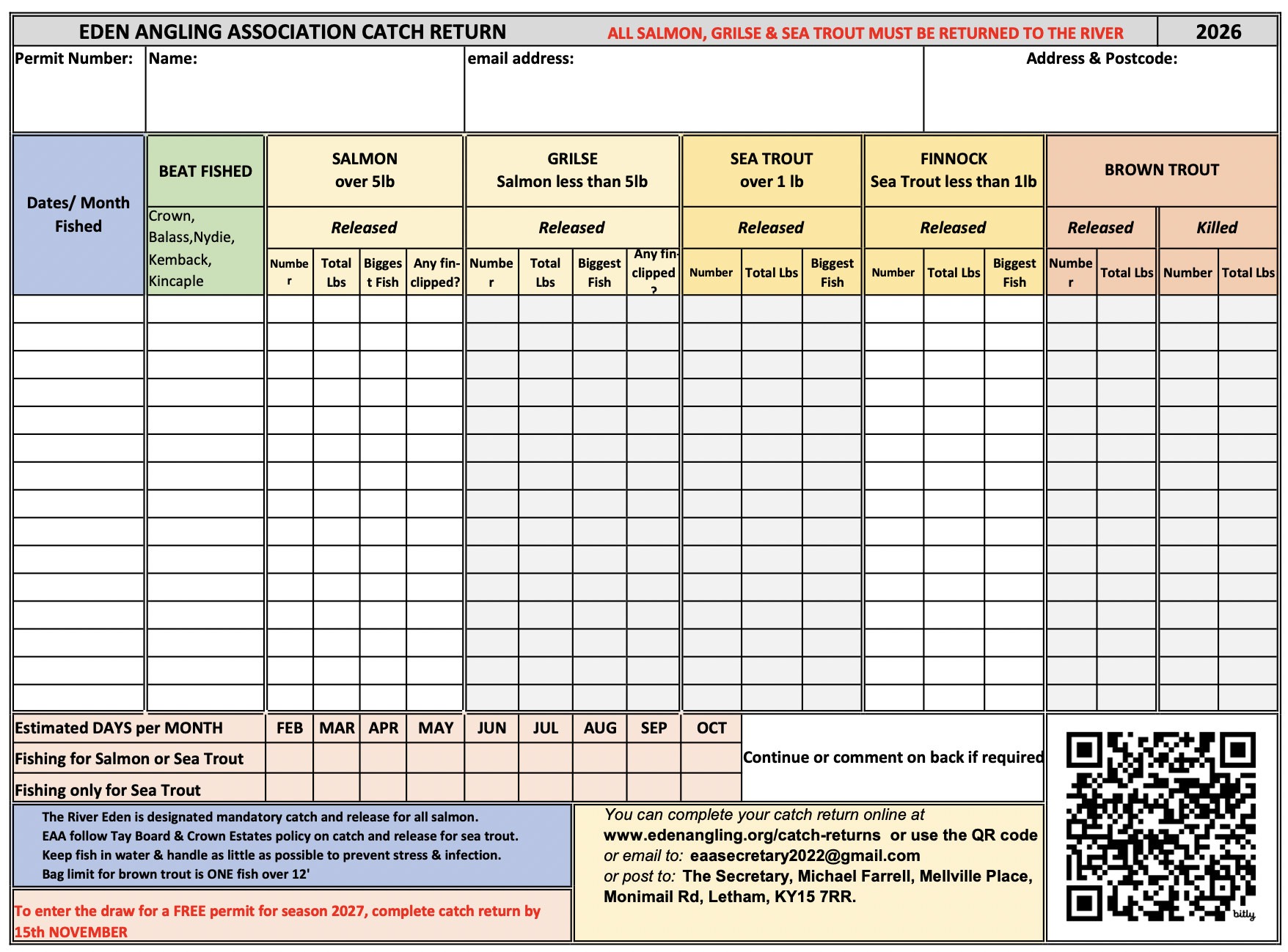
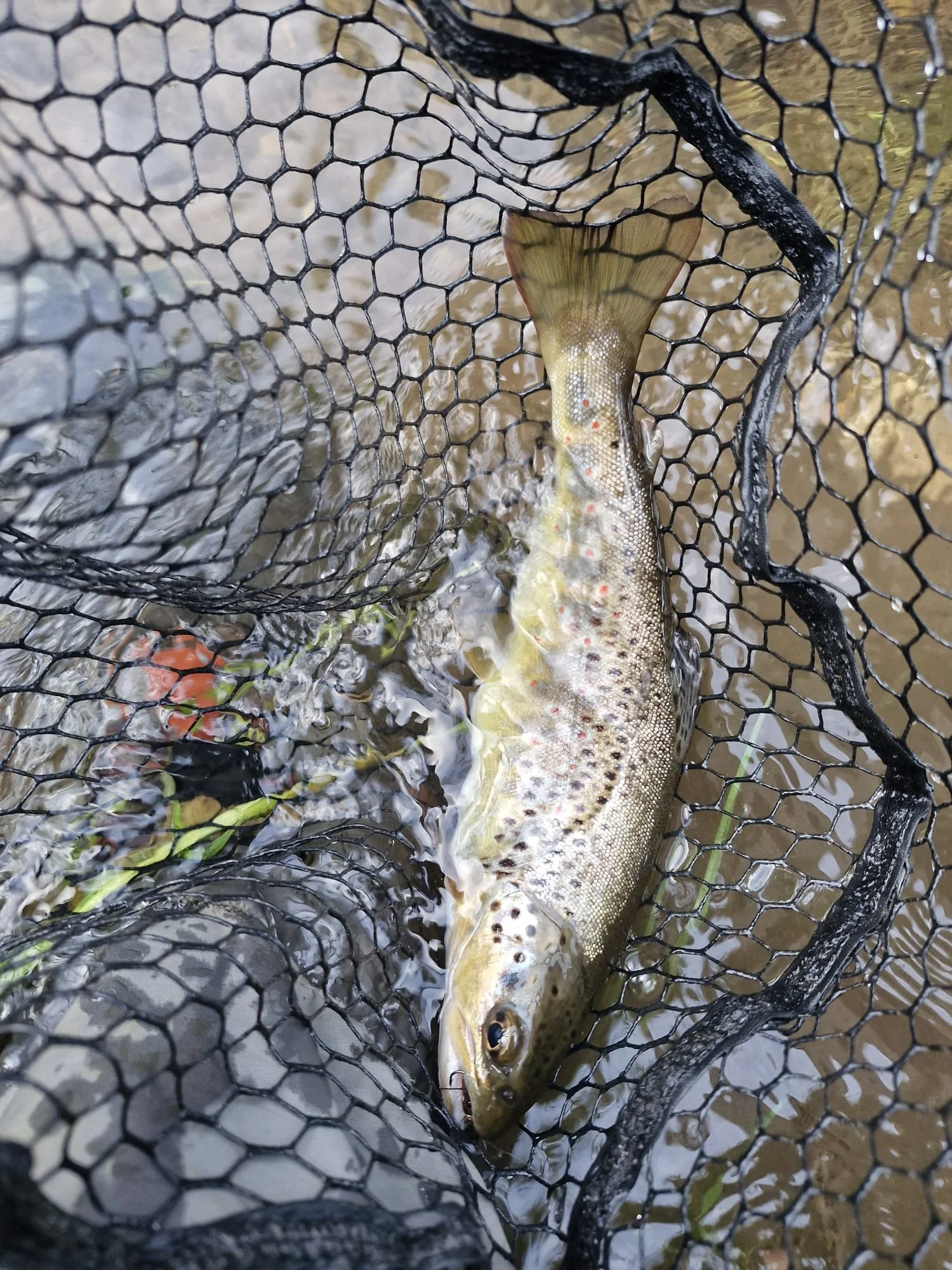
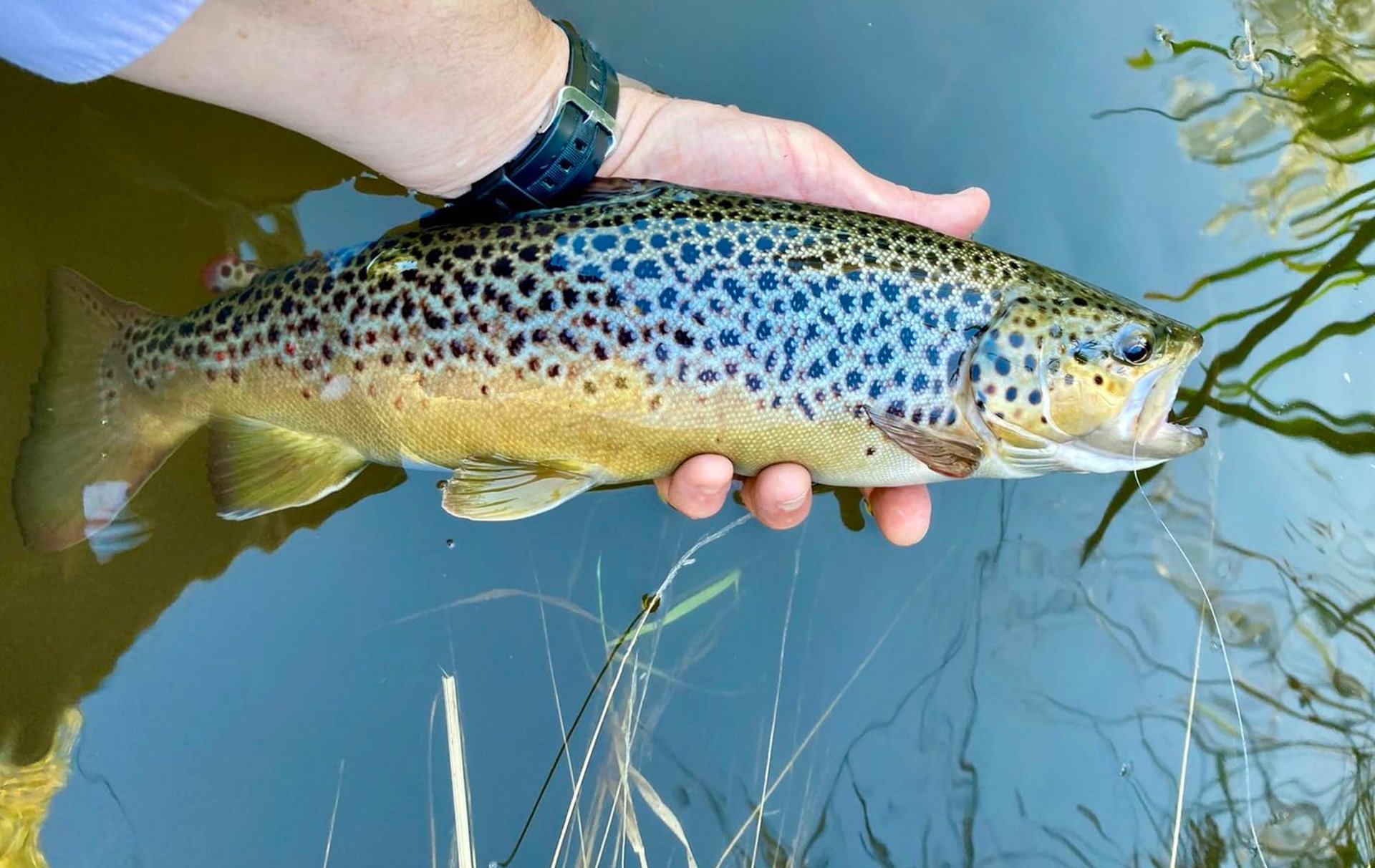
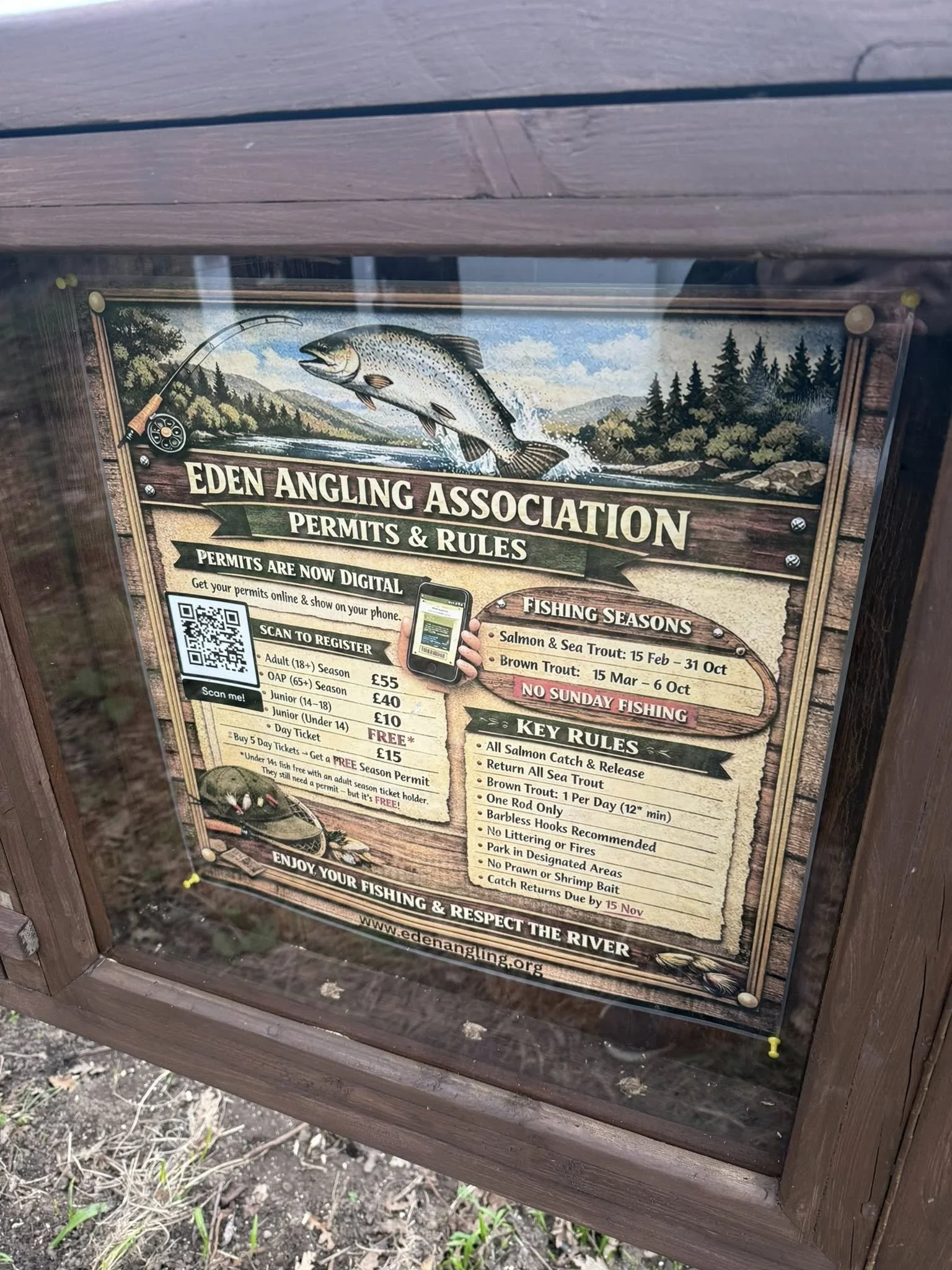
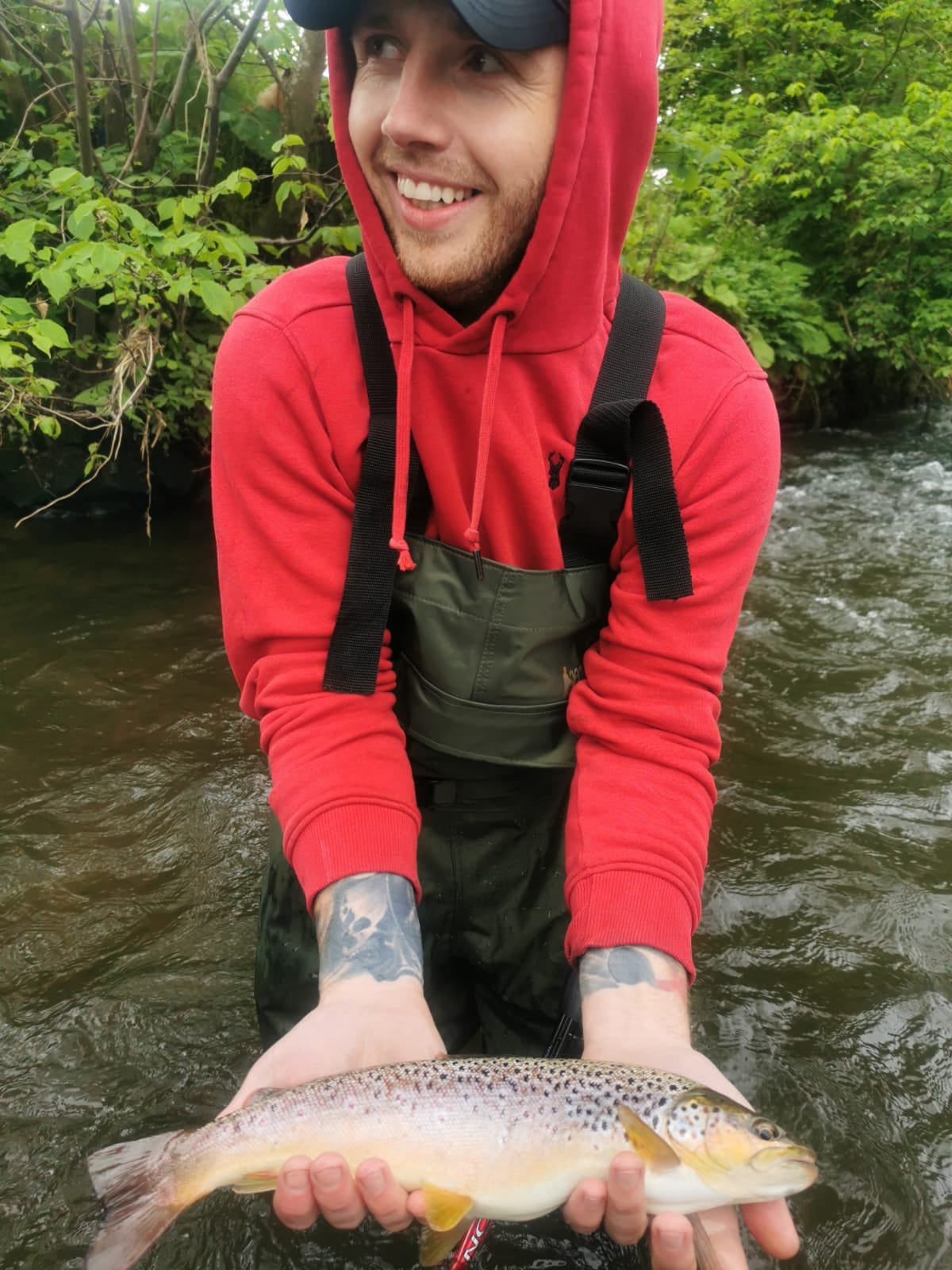
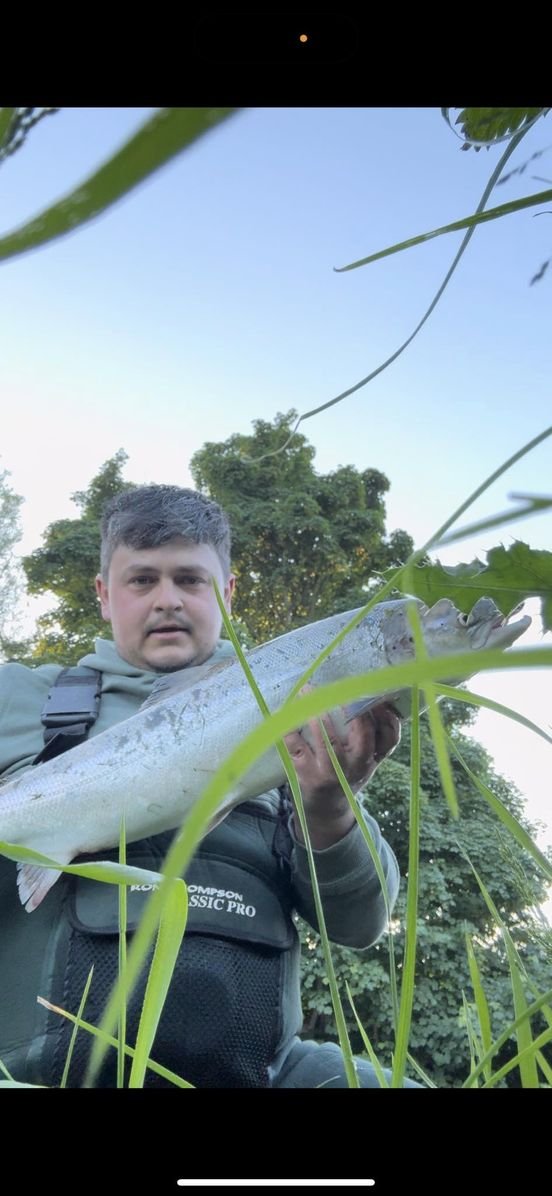
All were agreed that the reduction of the bag limit to 1 brown trout over 12” and catch and release for all salmon and sea trout had been a sensible measure to support stocks. This rule will continue for 2026.
Action on Pollution
All members are encouraged to report any incidents to SEPA and/or Scottish Water. In the meantime, training has been provided for volunteers to monitor water quality along the river. This work is supported by St Andrews Aquarium as a new partner in RESP.
New proposals for 2026
3 new proposals were put forward by members for the coming year:
Sunday fishing UPDATED Jan 21 2026
This item produced the most discussion with the pro’s and con’s aired in detail. In the end, the meeting voted to introduce Sunday fishing for brown trout only with light tackle, by 8 votes to 4 with 7 abstaining. A final decision was due to be made about any other restrictions to methods at the first committee meeting in January prior to Opening Day on Monday 16th February. However, the discussion that followed showed that we would not be able to be ready for this change in time. The committee will continue to explore all possible options over the coming months, and any updates will be brought forward for discussion and voting at the next AGM.
Habitat improvements
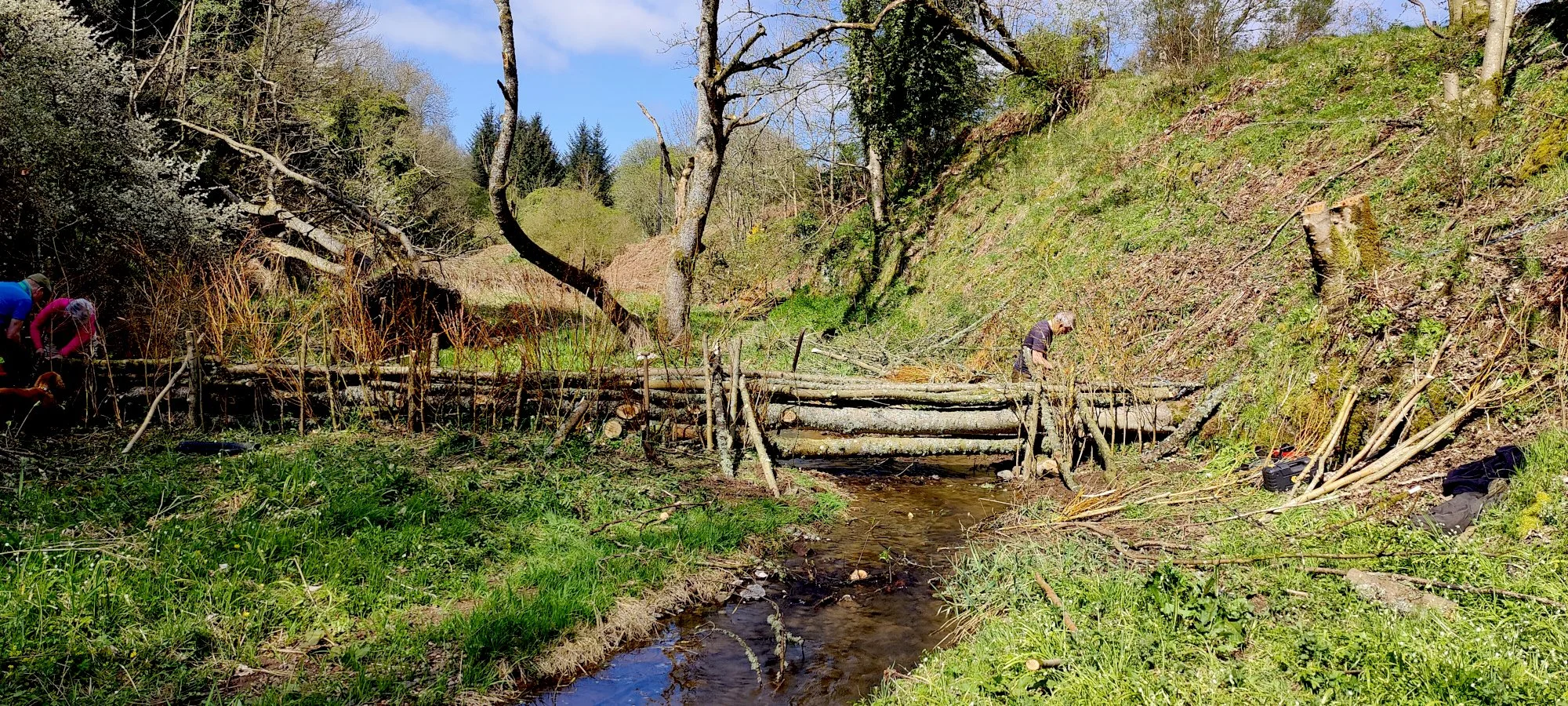
It was proposed that the club seeks to carry out instream works (e.g. add boulders/ logs) at selected locations to increase flow diversity and improve habitat for fish. This received unanimous approval and committee will discuss locations and permissions.
working with landowners
Following concerns about the way in which recent drainage and bank stabilisation works had been carried out on the river, it was proposed that EAA set up a discussion with relevant land owners and their representatives to discuss how future works might meet the requirements of the landowner while also improving habitat for fish. Again this received unanimous approval.
Further information
If you would like to view all the papers from this year’s AGM these are available here